Key Takeaways
- Adopting modern technology streamlines property searches and enhances marketing.
- Awareness of both local and national trends fosters smarter decisions.
- Building a broad network unlocks valuable market insights and off-market deals.
- Sustainability and energy efficiency are increasingly pivotal for buyers and sellers.
In today’s ever-shifting real estate landscape, informed decision-making and adaptability are cornerstones of success. Whether you’re buying, selling, or investing, evolving market trends and new technology are reshaping how the real estate game is played. For guidance tailored to local needs, Chanhassen real estate agent Steve Pemberton offers expertise in navigating the current market’s unique conditions while leveraging innovative strategies.
From integrating virtual tours to capitalizing on data analytics, buyers and sellers have powerful tools at their disposal—but knowing how to use them is another thing entirely. The ability to recognize opportunities, make informed choices, and connect with trustworthy professionals will set you apart as the real estate industry continues to transform.
Embrace Technology in Real Estate
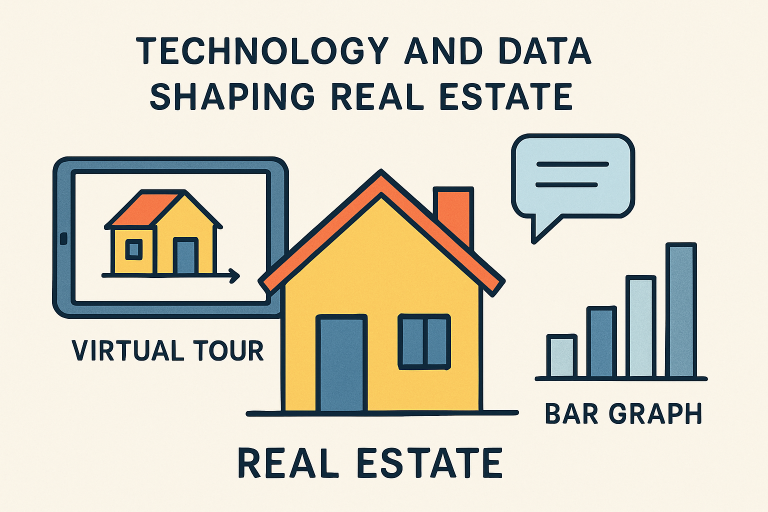
Technology has made its mark as a powerful force in real estate, with online listings, 3D virtual tours, and automated communication platforms now commonplace. With 80% of homebuyers relying on digital resources, agents who excel at marketing through these tools capture more attention and close deals faster. Tools such as customer relationship management (CRM) platforms, automated messaging, and interactive floor plans are essential to keep pace with today’s expectations and deliver clients an immersive, personalized experience.
The expansion of social media and targeted online advertising also means that homes can be showcased to a much wider audience, often transforming interest into action more quickly than with traditional methods. Mastery of these digital avenues can be a clear advantage in a competitive market.
Stay Informed on Market Trends
Closely monitoring both national and hyper-local trends is key to anticipating where the market is headed. Remote and hybrid work arrangements continue to fuel demand for homes with flexible spaces, outdoor amenities, and proximity to parks, especially in suburban communities. Additionally, economic indicators such as interest rates, inventory levels, and new housing starts can signal important changes in market conditions well before they’re visible at the neighborhood level.
Sustainability remains a significant influence on buyer decisions. Studies have shown that over 70% of buyers would pay a premium for energy-efficient homes, an indication that demand for green features is only growing. Keeping up with green certifications and energy-saving technologies can give sellers a valuable edge.
Build a Strong Professional Network
Relationships are foundational in real estate. Building a network of trusted brokers, mortgage lenders, inspectors, and other professionals ensures you have reliable sources of inside information and first access to new opportunities. Regularly attending industry events, joining online communities, and engaging with local business groups will help you spot trends before they hit the mainstream and may even unlock off-market properties not yet available to the wider public.
Collaboration doesn’t just benefit your own deals—referrals and partnerships can create opportunities for clients that others can’t.
Consider Sustainability and Eco-Friendly Features
The push for greener, healthier living spaces is rapidly reshaping how homes are built and marketed. Properties with solar panels, energy-efficient HVAC systems, and sustainable building materials are commanding greater attention from eco-conscious buyers. Green certifications, while sometimes requiring upfront investment, can make a listing stand out—even in markets where price sensitivity is on the rise. Sellers who proactively communicate the benefits and savings of these features often reduce time on the market and secure higher offers.
Adapt to Changing Buyer Preferences
As buyer needs evolve, so too must real estate professionals. The aftermath of the COVID-19 pandemic has cemented hybrid work and family flexibility as top priorities. Homes with dedicated workspaces, large yards, and access to outdoor recreation are in demand. Understanding the nuances of school districts, walkability, and community engagement can help agents in suburban markets connect with buyers desiring a home that suits their lifestyle—and not just their commute.
Additionally, as affordability challenges persist in many regions, creative financing solutions, multi-family setups, and renovation-ready properties are growing in popularity.
Leverage Data Analytics
Harnessing data analytics enables both real estate agents and buyers to make informed decisions and minimize risk. AI-driven systems can help forecast market movements and identify optimal times to buy or sell. Real-time data on sales activity, price fluctuations, inventory, and even neighborhood search trends provide a crucial edge in competitive negotiations and portfolio planning.
Agents who embrace analytics ensure their strategies are based on current realities, not outdated assumptions—making every deal smarter and more resilient to unexpected changes.
Conclusion
Succeeding in today’s dynamic real estate market requires a combination of tech-savviness, ongoing education, strategic networking, and adaptability to consumer preferences and marketplace shifts. By putting these strategies into practice, buyers, sellers, and agents alike can thrive as the real estate landscape continues to evolve.
