There was a time—not too long ago—when dealing with health insurance meant long queues, missing documents, and repeated trips to government offices. For many Filipinos, managing PhilHealth concerns felt stressful, confusing, and exhausting. Today, that experience is slowly but steadily changing.
The PhilHealth Portal is reshaping how public health services are delivered in the Philippines. It’s not perfect. It still has flaws and growing pains. But it represents a meaningful shift toward a more accessible, digital, and people-centered healthcare system. This article explores how the PhilHealth Portal is transforming public health services, what’s working, what still needs improvement, and why it matters deeply to ordinary Filipinos.
Understanding the PhilHealth Portal
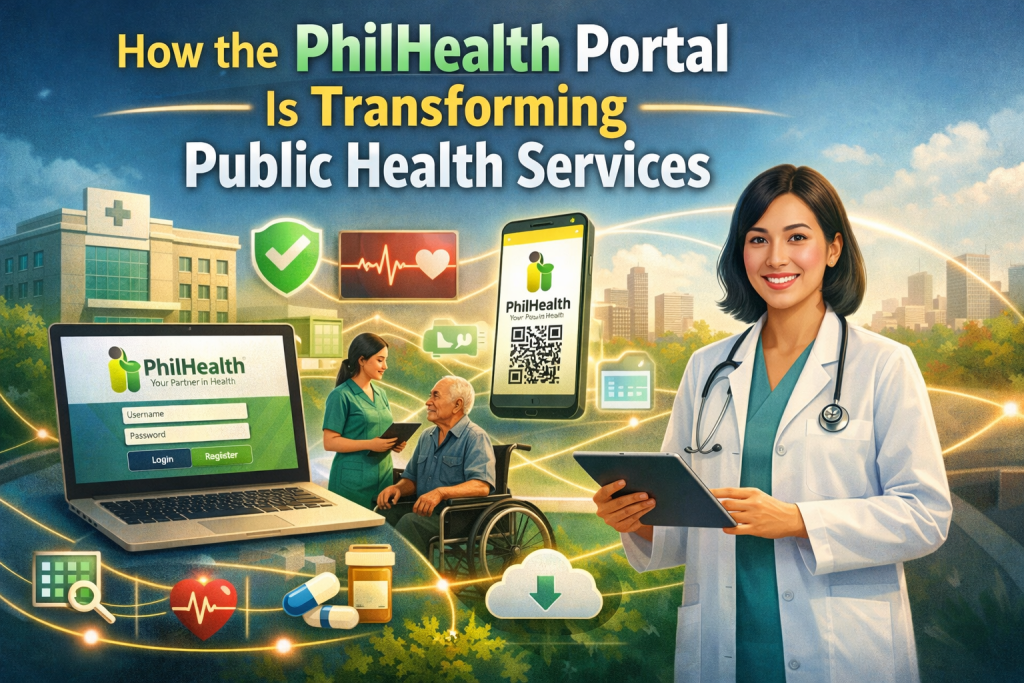
PhilHealth Portal is the official online platform designed to give members digital access to essential health insurance services. Instead of visiting branch offices, members can now perform tasks such as checking contributions, verifying membership details, and accessing records online.
At its core, the portal aims to simplify healthcare administration. It brings PhilHealth services closer to people—especially those in remote areas, OFWs, senior citizens, and working Filipinos who can’t afford to take time off just to stand in line.
This shift isn’t just about convenience. It’s about dignity, access, and trust in public health systems.
The Evolution of Public Health Services in the Philippines
Public healthcare in the Philippines has long faced challenges: overcrowded hospitals, limited manpower, slow paperwork, and uneven access between urban and rural communities. While PhilHealth has always played a crucial role in healthcare financing, its service delivery methods were largely manual for decades.
Digitization was inevitable.
The PhilHealth Portal emerged as part of a broader effort to modernize government services and align healthcare delivery with digital expectations. As Filipinos became more comfortable using online platforms for banking, education, and commerce, the demand for digital healthcare services grew louder.
The portal is not a miracle solution—but it’s a major step forward.
PhilHealth Id
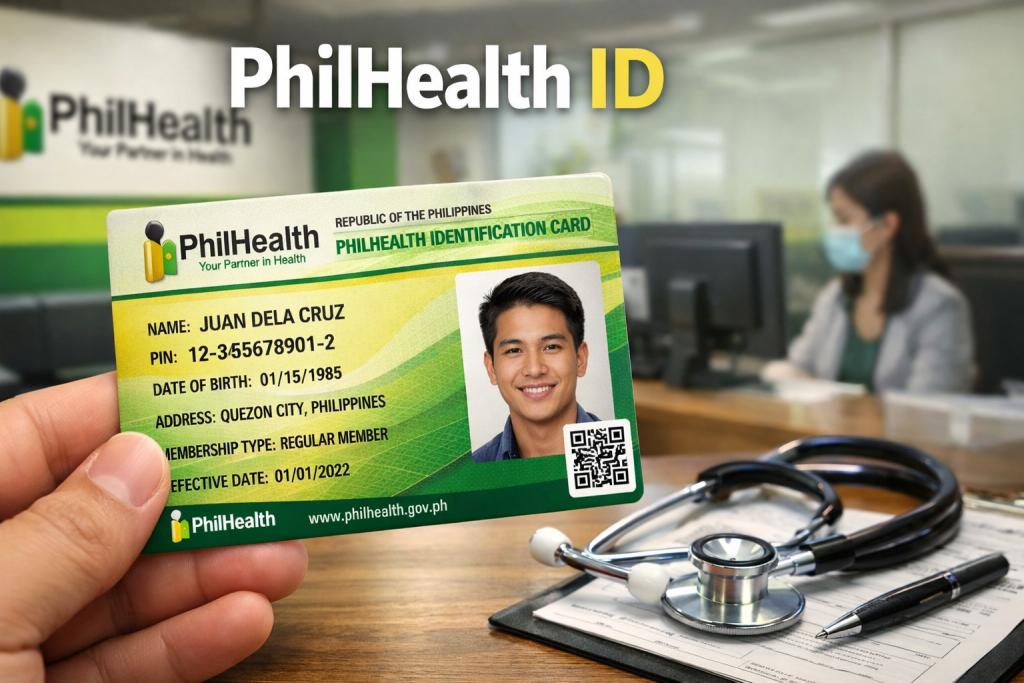
The PhilHealth ID has traditionally been a physical proof of membership. Losing it meant inconvenience. Replacing it meant another office visit.
Through the portal, members can now verify their PhilHealth Identification Number, access digital records linked to their membership, and confirm eligibility even without a physical ID.
This digital validation reduces friction at hospitals and clinics. It also empowers members who may have lost documents or never received an ID in the first place.
It’s a small change with a big emotional impact—especially for patients seeking urgent care.
Key Features of the PhilHealth Portal Driving Transformation
Several portal features are quietly changing how public health services work.
Members can check contributions online without asking for assistance. Personal information updates no longer require repeated office visits. Membership status and eligibility can be confirmed in minutes instead of days.
These tools reduce reliance on paper documents and manual processing. More importantly, they shift control back to members—giving them visibility into their own healthcare data.
Yes, the system sometimes lags. Yes, errors happen. But the direction is clear: transparency and empowerment.
Improving Accessibility to Public Health Services
One of the most significant impacts of the PhilHealth Portal is accessibility.
For members in rural areas, visiting a PhilHealth office can mean hours of travel and lost income. The portal allows them to access services from home, an internet café, or a mobile phone.
For overseas Filipino workers, the portal bridges geographic distance. They can maintain membership, check contributions, and stay compliant without relying entirely on relatives back home.
Digital access doesn’t erase inequality—but it reduces barriers.
PhilHealth Online Registration
Online registration is one of the portal’s most transformative features.
New members can now register without visiting an office, receive confirmation digitally, and begin contribution compliance faster.
This is especially valuable for first-time workers, self-employed individuals, and informal sector workers who often delay registration because of complicated procedures.
Mistakes still happen—incorrect data entry, delayed confirmations—but overall, online registration has lowered the entry barrier to health insurance coverage.
And that matters for public health.
Enhancing Efficiency for Healthcare Providers
Hospitals and clinics benefit too.
With digital verification, healthcare providers can confirm member eligibility faster, reduce claim rejections due to data errors, and process claims with fewer delays.
While provider-side systems are still evolving, the portal supports smoother coordination between PhilHealth and healthcare institutions. Less paperwork means more time for patient care—at least in theory.
Efficiency isn’t just operational. It’s human.
Impact on Patients and PhilHealth Members
For patients, the portal brings peace of mind.
Members can check whether their contributions are updated, if they’re eligible for benefits, and what information PhilHealth has on file.
This transparency builds confidence. It reduces anxiety during medical emergencies. It helps families plan healthcare expenses better.
Not every Filipino is tech-savvy, and that’s a real concern. But for millions, the portal has already made healthcare feel less intimidating.
Supporting Universal Health Care (UHC) Implementation
Universal Health Care is not just a law—it’s a promise.
The PhilHealth Portal supports this goal by expanding coverage access, improving data accuracy, encouraging consistent contributions, and making health insurance more visible and understandable.
Digital systems help track coverage gaps and identify underserved populations. They also support better policy planning and resource allocation.
Universal health care cannot succeed without systems that actually reach people. The portal helps close that gap.
Challenges and Limitations of the PhilHealth Portal
Let’s be honest—the portal isn’t perfect.
Common challenges include website downtime, slow loading speeds, account access issues, limited mobile optimization, and digital literacy barriers.
Some users feel frustrated. Others give up and return to manual processes. These imperfections are real and should not be ignored.
But transformation is rarely smooth. What matters is whether issues are acknowledged and addressed—and there is still room for improvement.
Future Developments and Innovations
The future of the PhilHealth Portal looks promising.
Potential improvements include better mobile responsiveness, stronger cybersecurity measures, expanded services such as claims tracking and benefit breakdowns, and deeper integration with hospitals and other government systems.
If implemented well, these upgrades could turn the portal into a true healthcare hub—one that supports patients throughout their healthcare journey.
Digital health is not optional anymore. It’s essential.
Comparison with Traditional PhilHealth Service Methods
Traditional PhilHealth services relied heavily on physical offices, paper forms, manual verification, and long processing times.
The portal doesn’t replace offices entirely—but it reduces dependence on them.
Compared to traditional methods, the portal offers faster access, greater transparency, and reduced travel and waiting time.
It’s not about choosing digital over human service. It’s about balance.
Best Practices for Maximizing the PhilHealth Portal
To get the most out of the portal, members should keep personal information updated, regularly check contributions, save digital confirmations, access the portal during off-peak hours, and stay patient during system updates or maintenance periods.
Small habits can prevent big problems later.
Frequently Asked Questions (FAQs)
Is the PhilHealth Portal mandatory
No, but it is highly recommended for convenience and faster access.
Can I use the portal on my phone
Yes, though the experience may vary depending on device and internet speed.
What if my information is incorrect
You can request updates through the portal or visit a PhilHealth office if needed.
Is the portal safe
Security continues to improve, but users should also protect their login details.
Conclusion
The PhilHealth Portal is not just a website—it’s a signal.
It signals a shift toward a more accessible, transparent, and digital public health system. It shows that healthcare services can evolve, even within large government institutions. And it reminds us that transformation doesn’t happen overnight—it happens step by step, mistake by mistake.
For millions of Filipinos, the portal has already changed how they interact with public health services. With continued improvements, it has the potential to change even more lives.
