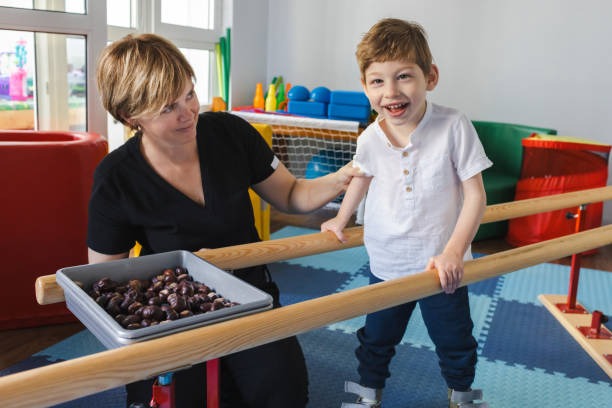
Cerebral palsy (CP) is a group of neurological disorders that affect movement, muscle tone, and coordination. The specific challenges faced by individuals with CP vary widely depending on the type and severity of their condition. Understanding the types of cerebral palsy is essential for designing effective support plans, therapy programs, and daily care strategies. Each type has unique characteristics that influence physical, communication, and social support needs, making individualized approaches critical.
Overview of Cerebral Palsy Types
Cerebral palsy is classified into several types based on the nature of movement difficulties and the parts of the body affected. The most common types of cerebral palsy include:
- Spastic Cerebral Palsy: Characterized by stiff or tight muscles, spastic CP is the most prevalent type. Muscle stiffness can affect posture, mobility, and fine motor skills.
- Dyskinetic Cerebral Palsy: This type involves involuntary movements, including twisting or writhing motions, which can interfere with daily activities and coordination.
- Ataxic Cerebral Palsy: Individuals with ataxic CP experience problems with balance, depth perception, and precise movements, often leading to unsteady walking and difficulty with fine motor tasks.
- Mixed Cerebral Palsy: Some individuals present with a combination of spasticity and involuntary movements, making their support needs more complex.
Understanding these types helps healthcare providers, therapists, and families anticipate challenges and provide appropriate interventions.
Physical Support Needs
The physical support needs of individuals with CP vary according to their specific type. For example, children with spastic cerebral palsy often require stretching exercises, physical therapy, and orthotic devices to manage muscle tightness and improve mobility. Walking aids, braces, or wheelchairs may also be necessary depending on the severity of spasticity.
Those with dyskinetic cerebral palsy often require support for controlling involuntary movements. Occupational therapy, adaptive seating, and hand splints can help maintain functional abilities and reduce fatigue. Similarly, individuals with ataxic cerebral palsy may benefit from balance training, coordination exercises, and supportive footwear to prevent falls and improve walking stability.
Mixed cerebral palsy presents unique challenges because it combines features of spasticity and involuntary movements. Support for these individuals often requires a combination of interventions tailored to manage multiple movement difficulties simultaneously.
Communication and Cognitive Support
While motor challenges are the primary concern in CP, some types of cerebral palsy also affect communication and cognitive abilities. For instance, severe dyskinetic cerebral palsy may interfere with speech production due to uncontrolled facial or tongue movements. In such cases, speech therapy and augmentative and alternative communication (AAC) devices, like communication boards or speech-generating devices, become essential support tools.
Families and caregivers must recognize that the types of cerebral palsy can influence educational needs as well. Children with spastic CP affecting only the lower limbs may have minimal cognitive challenges, while others with mixed or severe forms of CP may require individualized education programs, specialized learning materials, and additional support in school.
Daily Living Assistance
The level of independence in daily activities, such as dressing, feeding, bathing, and toileting, also depends on the type of CP. Children with spastic cerebral palsy affecting their legs may need minimal assistance for self-care if their upper body is unaffected. In contrast, those with dyskinetic or mixed cerebral palsy often require more extensive caregiver support because involuntary movements can make tasks like eating or using utensils challenging.
Adaptive equipment plays a crucial role in enhancing independence. Modified utensils, supportive chairs, and dressing aids are commonly used to help individuals manage daily routines more effectively. Understanding the types of cerebral palsy ensures that the right tools and strategies are provided for each individual’s unique needs.
Mobility and Community Participation
Mobility support is heavily influenced by CP type. Children with spastic cerebral palsy affecting the legs may benefit from braces, walkers, or wheelchairs, while those with ataxic cerebral palsy may require balance aids or gait training to move safely. Community participation, including school, sports, and recreational activities, also depends on the mobility challenges associated with each type.
Mixed cerebral palsy often requires a combination of mobility aids and caregiver assistance to navigate environments safely. Planning for community involvement requires careful consideration of accessibility, equipment needs, and individualized support strategies.
Therapy and Long-Term Planning
Therapies must be tailored to the specific CP type to optimize function and quality of life. Physical therapy, occupational therapy, and speech therapy are commonly integrated into care plans for all types of cerebral palsy, but the emphasis differs based on motor challenges and functional limitations.
For instance, therapy for spastic CP often focuses on muscle stretching and strengthening, while therapy for ataxic CP emphasizes balance and coordination. Dyskinetic CP therapy may prioritize movement control and fine motor skills, whereas mixed CP therapy combines strategies from multiple approaches.
Long-term planning should consider the evolving support needs over time. As children grow, their physical abilities, equipment needs, and daily routines may change, requiring ongoing assessment and adaptation of care plans.
Conclusion
Understanding the types of cerebral palsy is critical for planning effective support and therapy. Each type presents unique challenges that influence physical function, communication, daily living, mobility, and participation in community life. By tailoring interventions to the specific needs associated with each type, healthcare professionals and families can maximize independence, safety, and quality of life.
From physical therapy to adaptive equipment, communication support, and long-term care planning, addressing the individual requirements of each CP type ensures that children and adults with cerebral palsy can thrive, achieve their potential, and lead fulfilling lives.
